
ALL HANS ON DECK FOR BUREO VISIT!
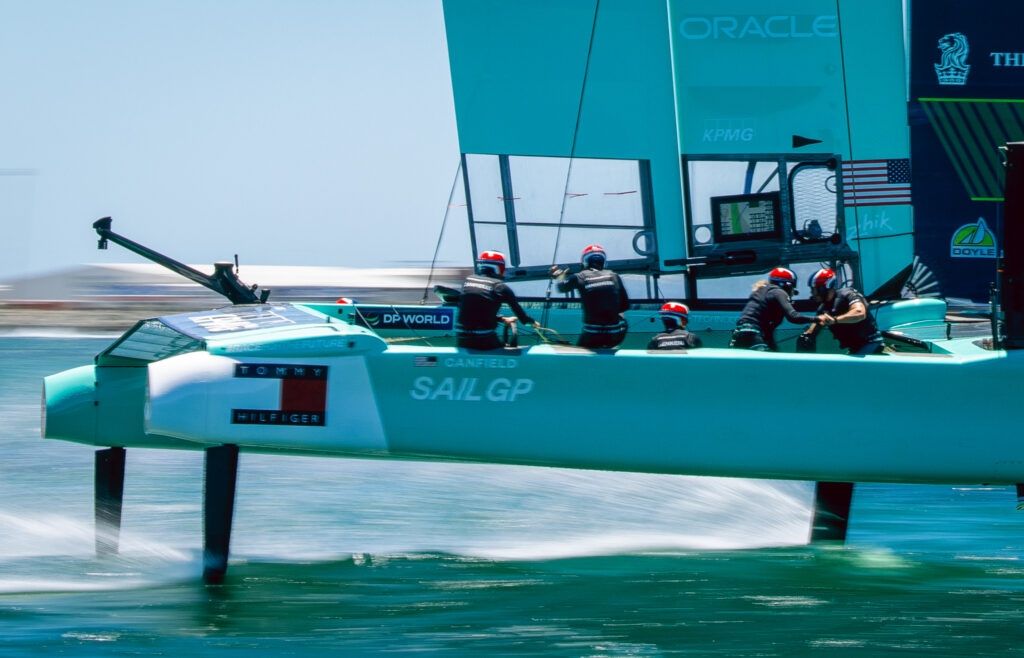
Hans Henken knows a thing or two about our ocean. He’s been racing on open water since he was a kid, and learning lessons that can only be taught by the wide open sea. But this past weekend, he took a deep dive into a topic not many people are familiar with: ghost gear.
When you think of plastics in the ocean, you might think of bottles, straws and carryout food containers. While those single-use items are a big piece of the plastic pollution puzzle, there’s also a missing piece: the most widespread and deadliest form of debris in our ocean.
Abandoned, lost or otherwise discarded fishing gear (ALDFG), better known as ghost gear, is a widespread form of marine debris. Although any trash is bad news for our ocean, ghost gear stands out among the rest, yet many people have never heard of it. That’s why Ocean Conservancy is working with partners around the world through the Global Ghost Gear Initiative® (GGGI) to combat it—one of which is the Bureo facility in Oxnard, California.
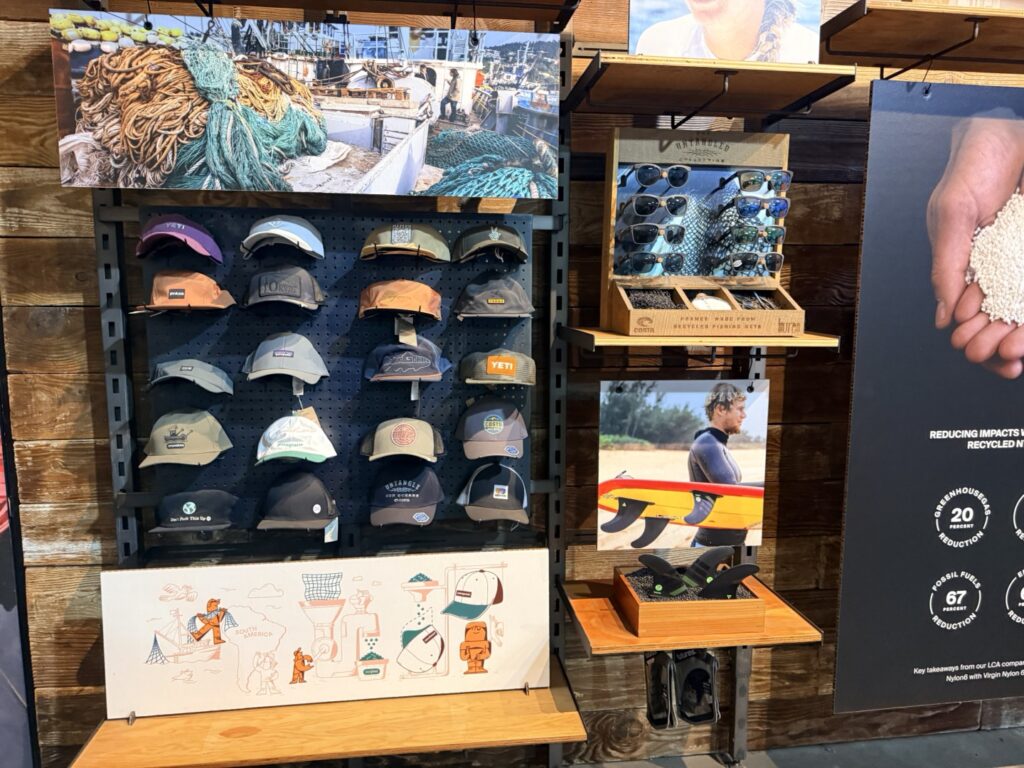
Bureo, a member of the GGGI and a certified B-Corp, developed an end-of-life gear collection and recycling process that turns fishing nets into material that can be used to produce a variety of new objects. Bureo is implementing fishing net recycling programs in South and Latin America.
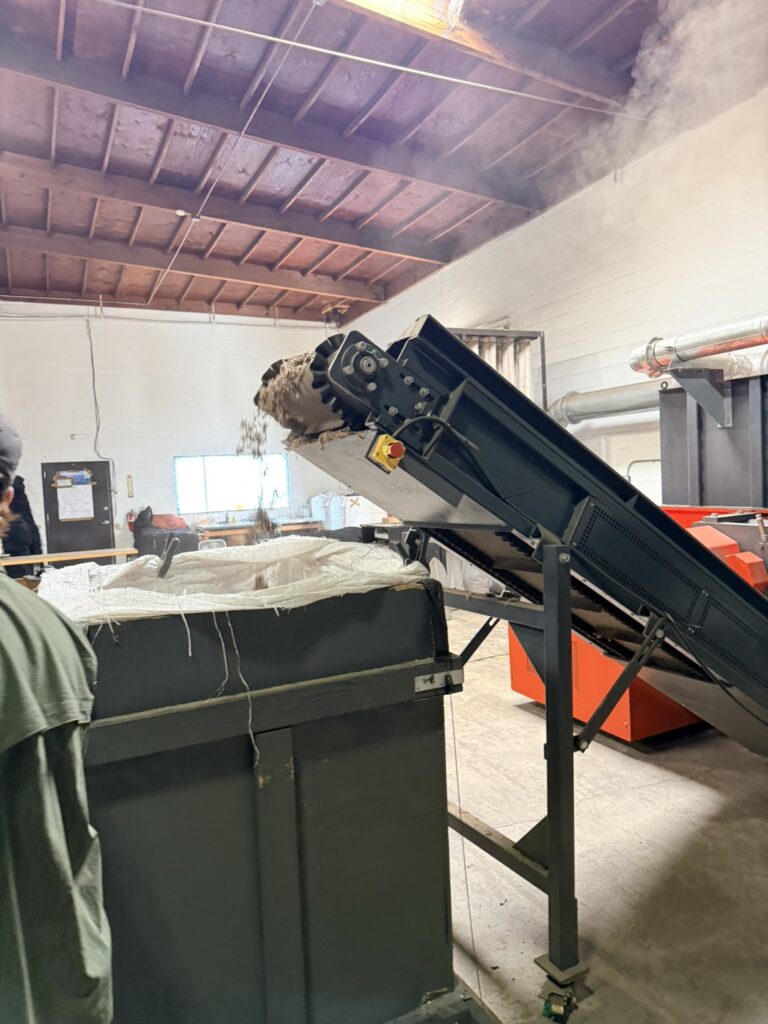
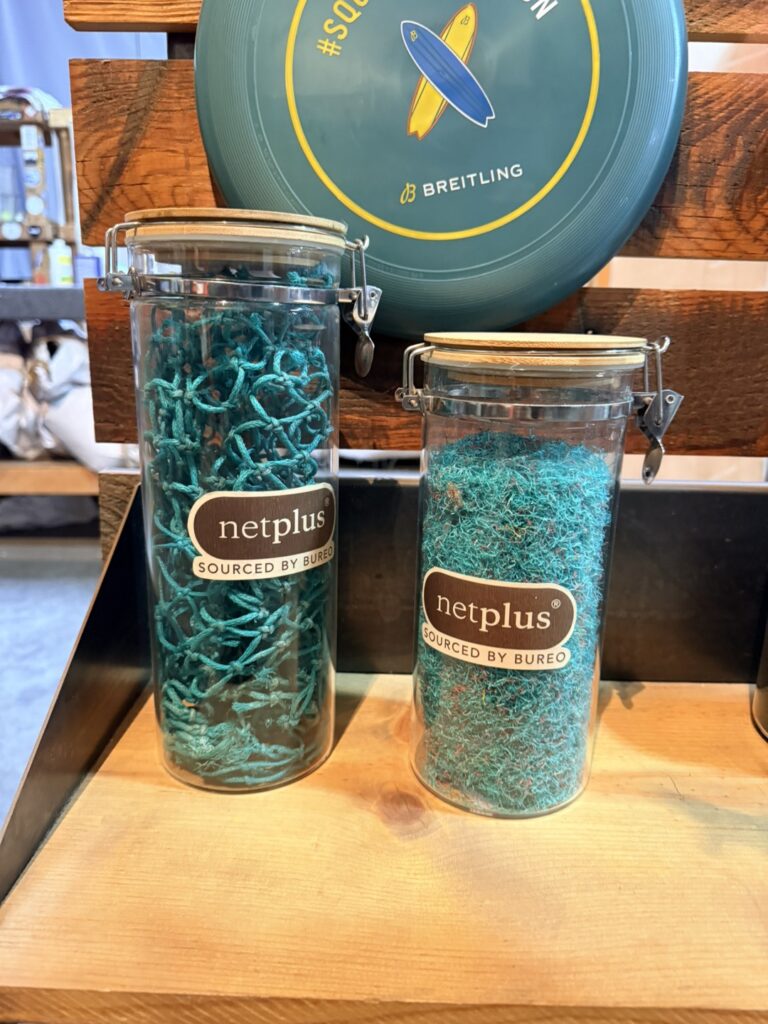
At the Bureo facility, they process nets received from local fishing communities, operating through a shared-value model to give back to coastal fishing communities for every kilo of fishing net received. Hans was able to see first-hand the sorting and contamination removal process, after which staff will shred nets into a flake material.
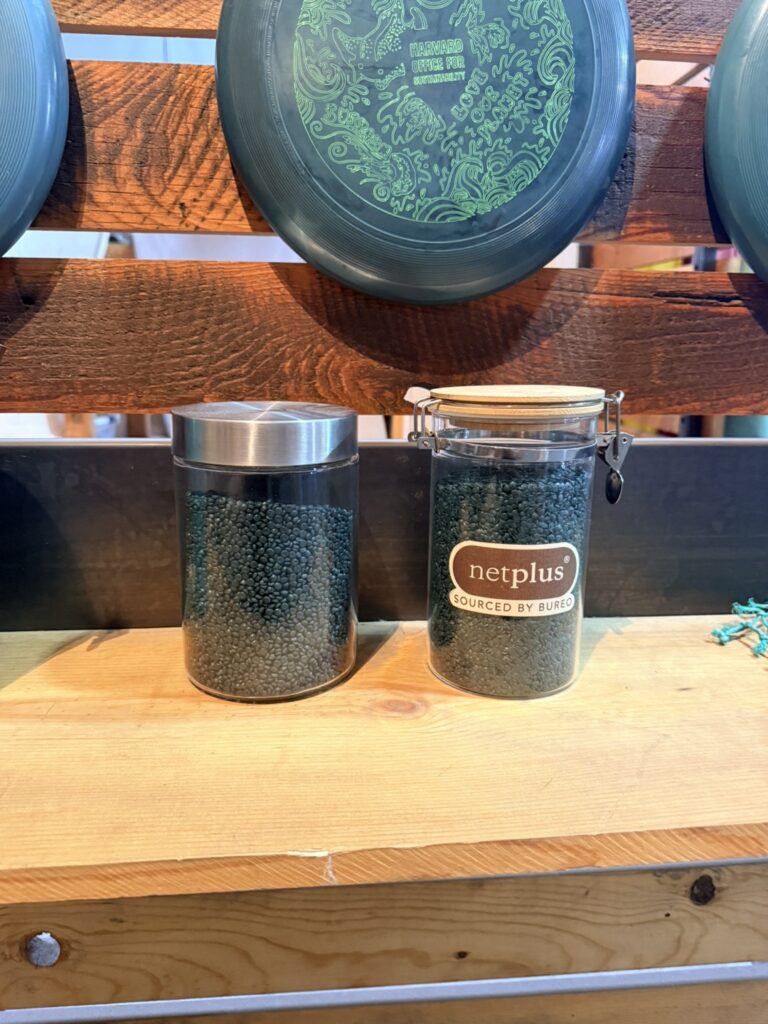
The flake material resulting from the shredding process is then pelletized into Bureo’s patented “NetPlus”, a third-party-verified post-consumer recycled plastic constructed from 100% waste fishnets. The NetPlus is then used to produce new products, like skateboards, winter jackets and more!
THE TAKEAWAY
It might seem like a little bit of a leap for most to understand that by protecting our ocean, we protect the things that bring us together, like sports and entertainment. But a healthy ocean provides a crucial buffer against extreme weather events that impact stadiums and shoots. For Hans, the connection isn’t abstract. A cleaner ocean means better racing conditions, healthier ecosystems across every coastline he’s competed on from Chile to the Mediterranean and a sport that the next generation of sailors can actually inherit.
“To me, what was really shocking was the fact that we really don’t know how much [ghost gear] is actually out there. The ocean is huge, and there’s so much of it that we’ve never explored, and to put a number on how much ghost gear is out there—how much plastic is out in the ocean—is a hard question to answer … getting that message across is one of the biggest challenges. Being able to reframe that idea is something that I think will be important for us athletes.” – Hans Henken, U.S. SailGP Athlete
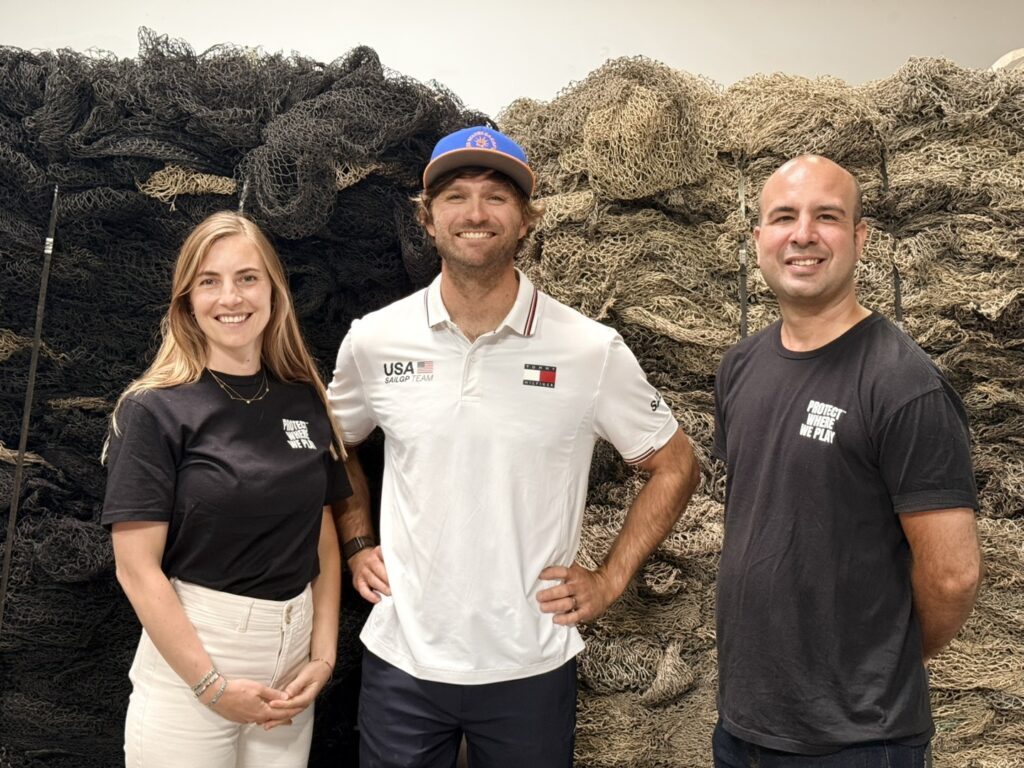
That’s why we’ve partnered with the U.S. SailGP Team to protect our ocean from ghost gear. Hans has spent his entire career learning to read our ocean, and now he’s asking you to protect it. Sign the pledge against ghost gear and join the movement to keep nets out of our ocean and into the hands of groups like Bureo, who know what to do with it. Our ocean doesn’t get a timeout, and neither does our fight against plastic pollution!
